ServicesWisdom Teeth Removal
Wisdom Teeth Removal in Little Elm
Third molars that come in sideways, halfway or not at all can trap food, inflame the gums and push on the tooth in front. We image them, show you the pictures, explain which ones need to come out and why, then remove them gently.
Deciding Whether Your Third Molars Need to Go
The third molars are normally the final teeth to develop, and in many mouths the jaw has no space left by the time they arrive. A tooth that gets stuck before it fully breaks through is impacted. It can lean forward into the second molar (mesioangular), lie on its side inside the bone (horizontal), or stay partly hidden under a flap of gum. Each of those positions creates its own kind of trouble, so we plan each tooth individually.
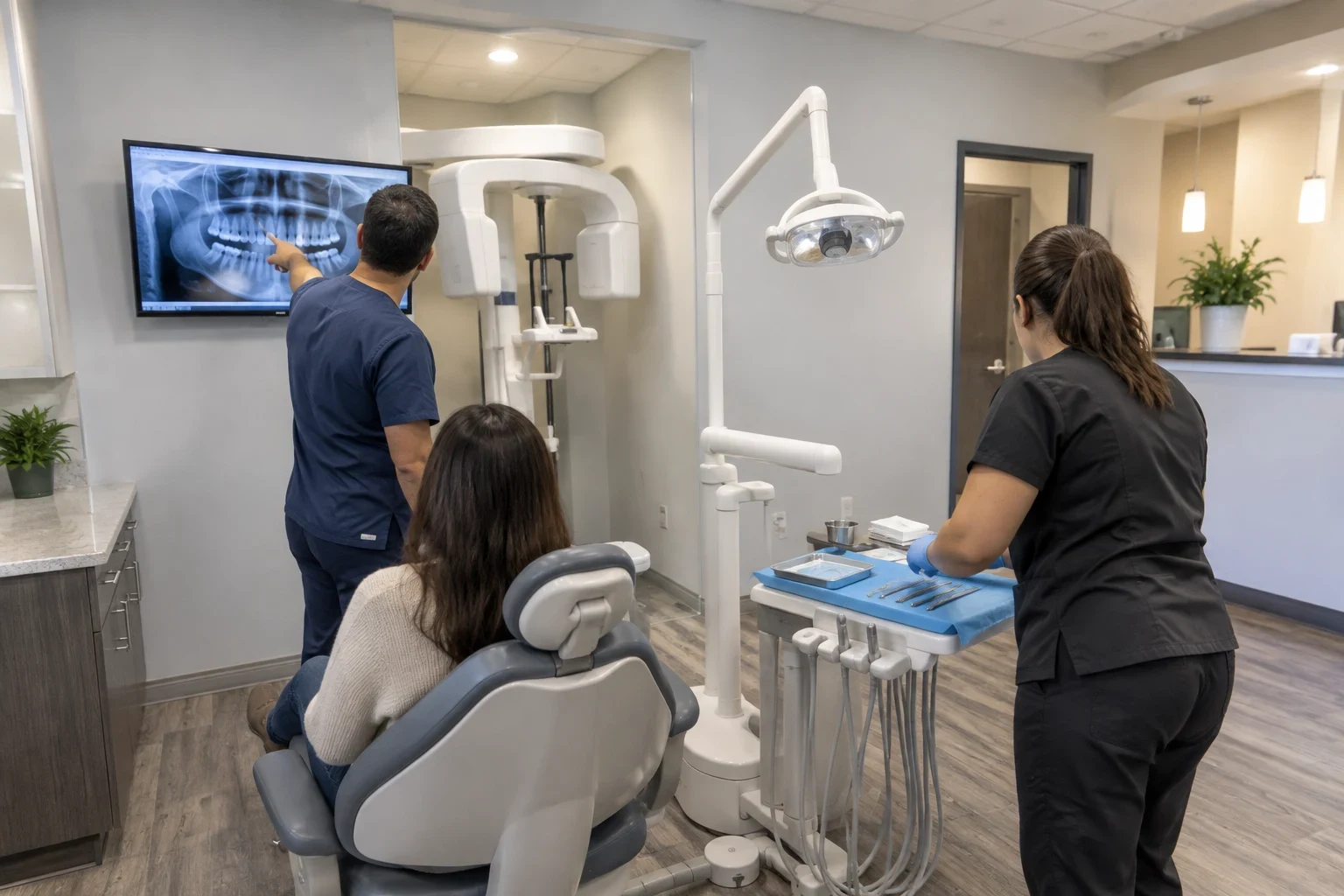
Some wisdom teeth can stay. If one has come in straight and you can reach it with a brush and floss, keeping it may be the right choice. A tooth that is decaying, wearing into the root next to it, or causing repeat gum infections is usually better removed. We pull up your X-ray or CBCT image, show you exactly what we see, and give a plain keep-or-remove answer tooth by tooth. That same clear plan is what patients from Little Elm and nearby Frisco get at every visit.
What Your Wisdom Teeth Removal Includes
- 01
Digital X-rays and CBCT when needed
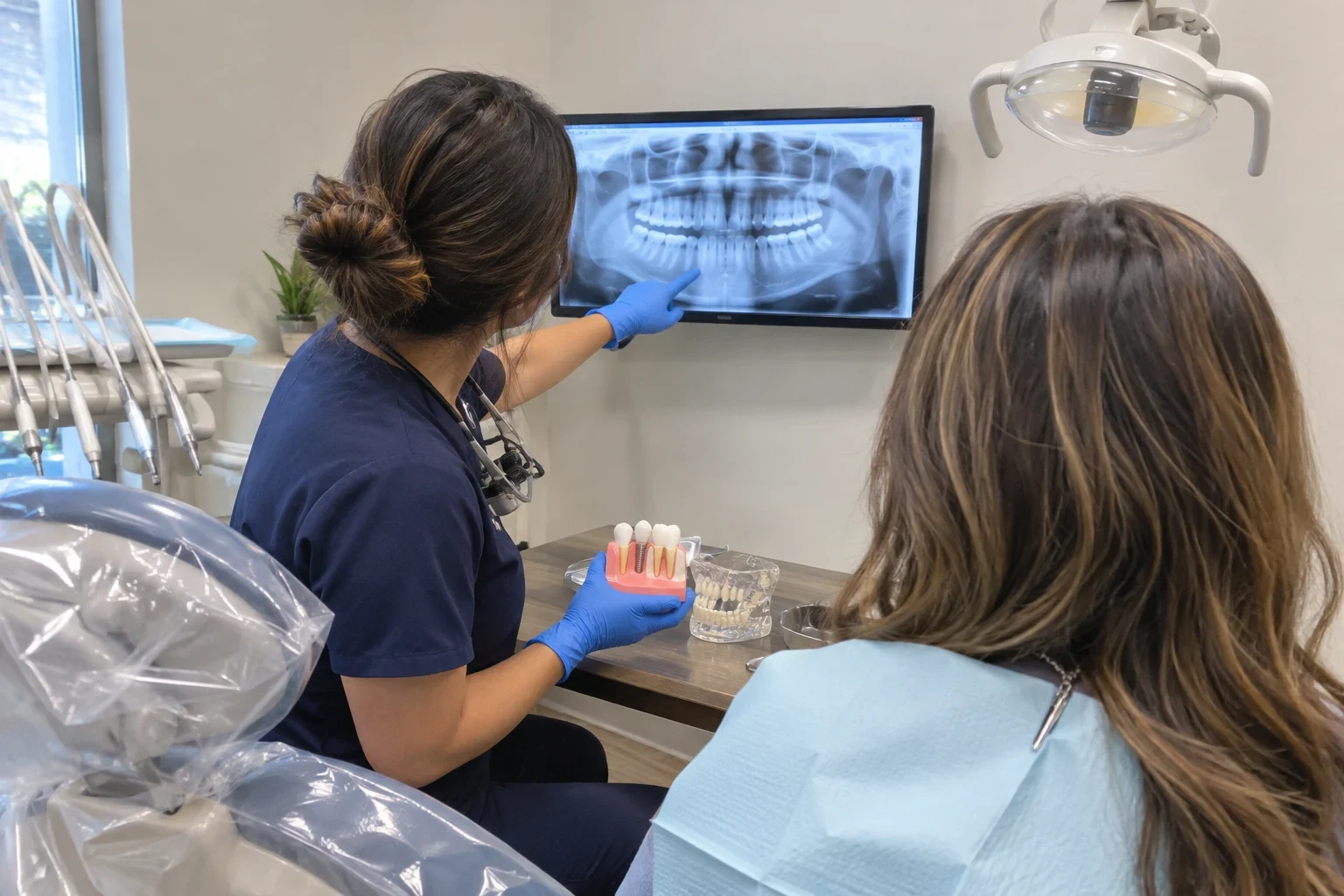
A panoramic X-ray shows all four third molars at once. When a lower root sits near the mandibular canal, which carries the inferior alveolar nerve, a 3D CBCT scan shows the true distance so we can plan the safest path.
- 02
Photos at each step
We save intraoral photos and images before treatment and after, so you can see the tooth's position, any decay or gum swelling, and the clean socket afterward.
- 03
Local anesthetic for comfort
We numb the area thoroughly and confirm it before starting. You stay awake, and we tell you what you will feel, which is pressure rather than sharp pain.
- 04
Sectioning for impacted teeth
A tooth locked under bone or tilted against its neighbor is often divided into smaller pieces. Removing it in sections takes less force and less bone than pulling it whole.
- 05
Sutures and written aftercare
Many sites are closed with dissolving stitches. You leave with gauze, instructions on bleeding, swelling and eating, and a number to reach us with questions.
Questions about Wisdom Teeth Removal?
Call(972) 853-5982Signs Your Wisdom Teeth Are Causing Trouble
Tender gum behind your back molar
A swollen, sore flap of gum over a half-erupted tooth is known as pericoronitis. Food and bacteria get trapped beneath it, and flare-ups usually keep returning as long as the tooth stays.
Ache that travels to the jaw or ear
An impacted lower third molar can press on surrounding bone and send pain along the jawline. Some patients also find it hard to open wide.
A bad taste or smell that lingers
When rinsing does not clear it, the cause is often debris or infection around a wisdom tooth your brush cannot reach.
Decay on the tooth in front
A tilted wisdom tooth leaves a pocket against the back of the second molar. Cavities can form there unseen, and X-rays often reveal them before you feel anything.
New tightness between back teeth
Food wedging between molars, or floss suddenly snapping through a tight contact, can mean a third molar is pressing forward.
How Your Visit Goes
- 1
Exam and imaging
We check your gums and bite, then capture digital X-rays of the back of the jaw. If a root looks close to the nerve or the sinus floor, a CBCT scan gives us a 3D view. We walk through every image with you on the monitor.
- 2
Your written treatment plan
Before anything is scheduled, you get a plan that names each tooth to be removed, how involved it is, and what your insurance or financing covers.
- 3
The day of removal
Once you are numb, we open a small gum flap where needed, remove a little bone, divide the tooth and lift the pieces out. We flush the socket, close it with stitches and photograph the finished site.
- 4
Recovery and recheck
Swelling usually builds for the first two to three days, then eases. At your follow-up we examine each site to confirm the sockets are healing the way they should.
What Moves the Price of Wisdom Tooth Removal
Your total depends on how many third molars need to come out and how much bone and gum covers each one. After imaging, every tooth appears as its own line on a written plan, so you see the full figure before the appointment is booked. We are in-network with 15+ major PPO dental insurance plans. Payments can also be spread out with 0% interest financing for up to 24 months, and checking for preapproval has no effect on your credit score.
- How far the tooth has erupted
- A third molar that is fully through the gum comes out much like a routine extraction. A soft tissue impaction means opening a small gum flap first. A full bony impaction adds bone removal and sectioning, which takes more chair time.
- How many teeth come out
- Removing all four in one visit usually makes better use of chair time than four separate appointments. If splitting them up suits your health or schedule better, we will tell you.
- Root form and distance to the nerve
- Long, hooked or fused roots lying close to the inferior alveolar nerve call for slower, more careful work and often a CBCT scan beforehand.
- Your coverage
- PPO benefits lower your share of the bill. If you have no dental insurance, our in-house Membership Plan is another way to bring the cost down.
Wisdom Teeth Questions
Will it hurt?
You should not feel pain during the procedure, because we confirm the area is fully numb before we start. Expect firm pressure and some vibration. Soreness for a few days afterward is normal, and the medication we recommend usually keeps it under control.
How long is recovery?
Most patients return to their usual routine within three to five days. Bony impactions tend to heal a little slower than teeth that had already come through the gum. Soft foods and no straws for the first several days give the sockets the best start.
What causes dry socket, and can I prevent it?
Dry socket, or alveolar osteitis, happens when the blood clot in the empty socket breaks loose and leaves the bone exposed. The usual sign is a deep, throbbing pain that starts two to four days later. You can protect the clot by avoiding tobacco, drinking without a straw and letting liquid fall from your mouth instead of spitting hard. If it still develops, we clean the socket and pack it with a medicated dressing that calms the pain.
My wisdom teeth do not hurt. Do they still need to come out?
Not always. A third molar that stands upright, can be cleaned and looks healthy on X-ray can often just be watched at checkups. If it is damaging the second molar, forming a cyst or holding bacteria under the gum, removal is usually the better call even before anything hurts.
Do you have experience with difficult impactions?
Our team brings over 10 years of experience in general and implant dentistry to every surgical removal. Planning from a CBCT scan shows us how the roots curve and where the nerve runs before the first incision.
See Your Wisdom Teeth Before You Decide
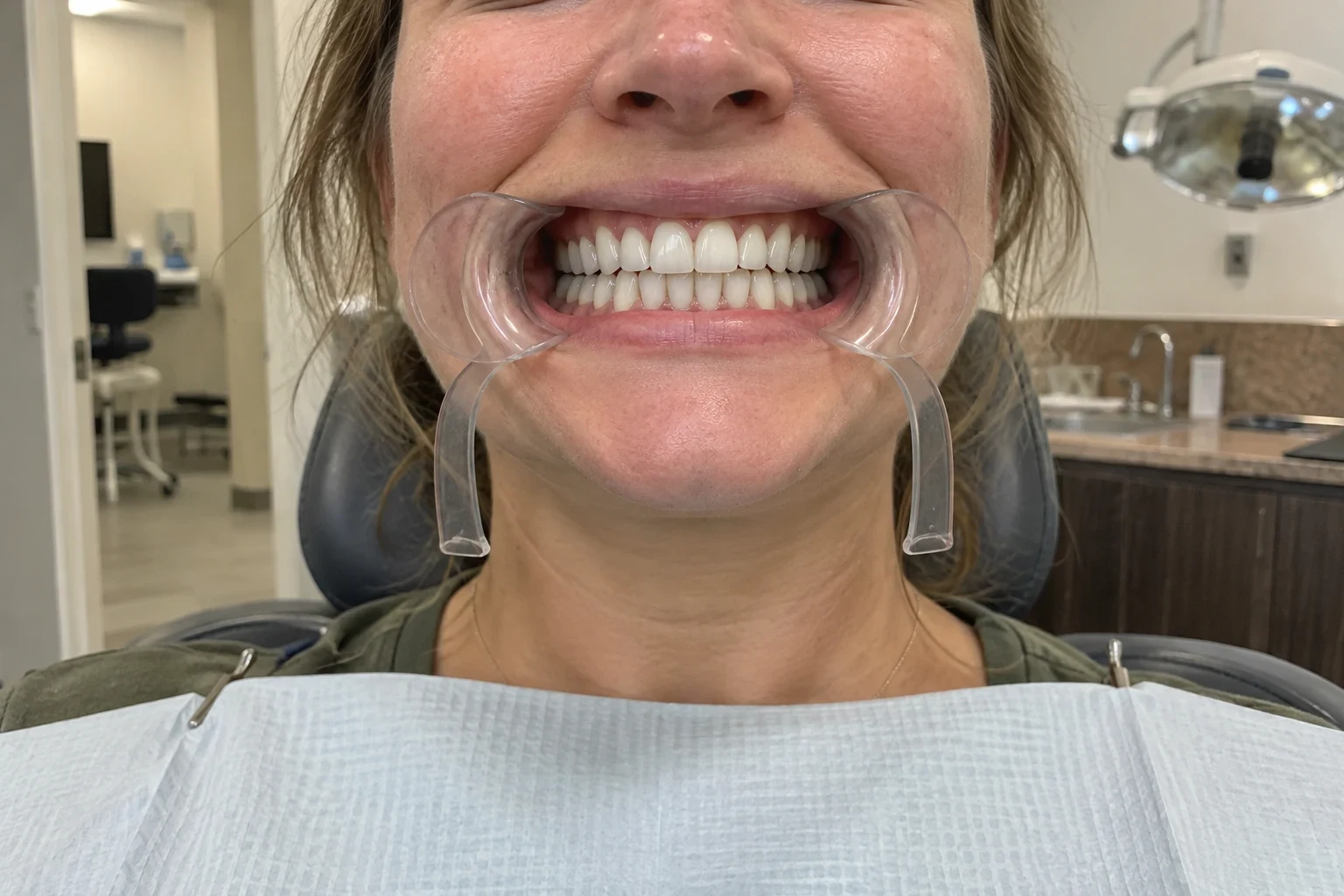
Our $25 Focused Evaluation includes a comprehensive exam, digital X-rays and a CBCT scan if your case calls for one, followed by treatment planning and a consultation. We review the images together on screen, and you leave knowing which teeth, if any, should come out.