ServicesRoot Canals
Root Canals in Little Elm
Root canal therapy clears out the inflamed or dead pulp inside a tooth, disinfects and seals each canal, and keeps your natural tooth in your mouth. You see X-rays and photos at every stage, so the reason behind each step is right in front of you.
What a Root Canal Actually Fixes
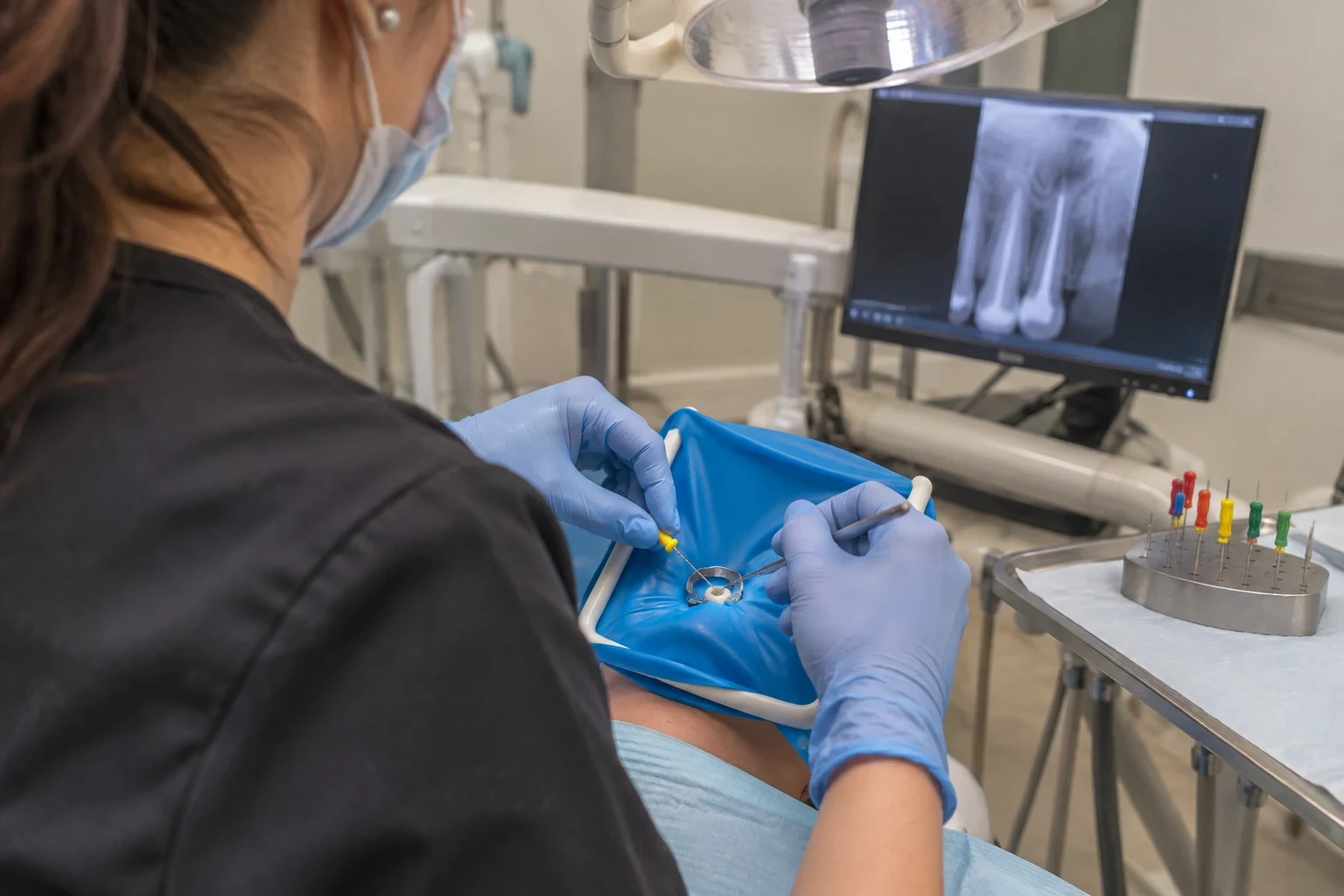
The center of each tooth holds the pulp, a cord of nerve and blood vessels that runs through narrow canals in the root. Bacteria can get in through deep decay, a fracture, or a worn filling whose edges have opened up. Past a certain point the inflamed pulp cannot recover, and infection can push out through the root tip into the jawbone. On an X-ray that shows as a dark area called a periapical lesion.
Root canal therapy takes out that damaged tissue, disinfects the canals and seals them shut against reinfection. The outer tooth stays where it is, so you keep your own root, your bite and the bone that surrounds it. When enough sound structure remains to restore, that usually beats extraction.
Deciding between saving and replacing a tooth is where our background matters. Our office has over 10 years of experience in general and implant dentistry, so we treat root canals and place dental implants under one roof. That lets us tell you honestly which option will last longer for your tooth, with the images on screen to back it up.
What Your Root Canal Treatment Includes
- 01
Diagnostic imaging
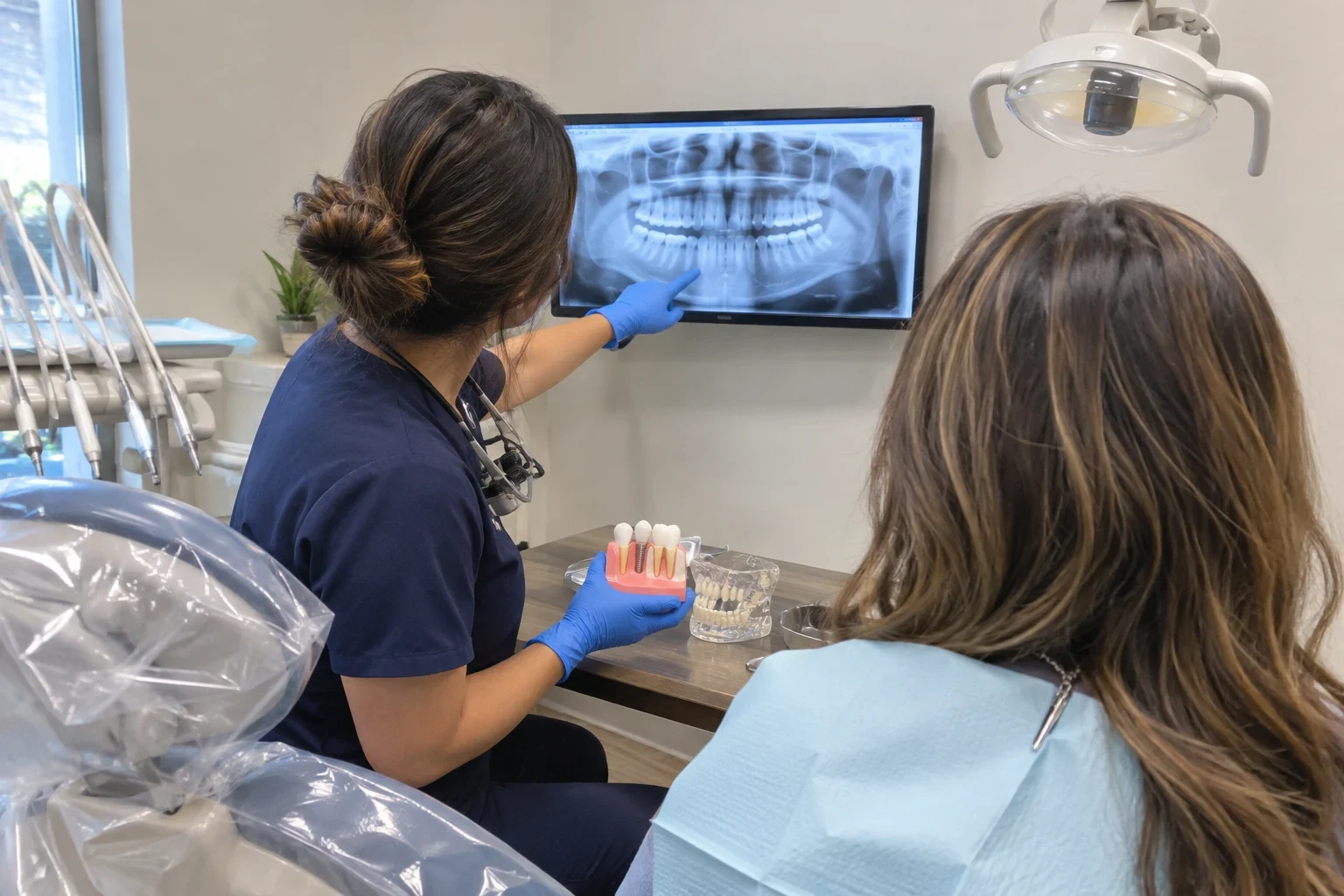
Digital X-rays reveal how far decay has gone and whether infection has reached the root tip. When the canals are tough to trace on a flat image or a fracture is possible, we add a CBCT scan, which shows the root and surrounding bone in three dimensions.
- 02
Photos of what we find
We photograph the tooth before we begin and at key moments during treatment, like a crack hiding under an old filling or the opened pulp chamber. You see the problem yourself instead of taking our word for it.
- 03
Rubber dam isolation
A thin latex-free sheet fits around the tooth to keep saliva and its bacteria out of the canals. It also stops the disinfecting rinse from reaching your mouth.
- 04
Cleaning and shaping the canals
Flexible nickel-titanium files shape each canal to its full length, which we measure with an electronic apex locator. A disinfecting irrigant then dissolves tissue and bacteria in spots the files cannot touch.
- 05
Sealing and a buildup
We pack the cleaned canals with gutta-percha, a pliable rubber-based material, along with a sealer that fills the tiny spaces around it. A core buildup restores missing tooth structure and gets the tooth ready for a crown.
- 06
Crown planning
A back tooth becomes more brittle after a root canal and usually needs a crown so it does not split under chewing pressure. We settle that plan with you before treatment starts.
Questions about Root Canals?
Call(972) 853-5982Signs a Tooth May Need a Root Canal
Lingering sensitivity
If a cold or hot drink leaves an ache that hangs on for half a minute or longer after you swallow, the pulp is likely inflamed, not just the enamel.
Pain when you bite
Soreness when you chew often means inflammation has spread to the ligament around the root tip.
A bump on the gum
A small pimple near one tooth that appears and fades is usually an abscess draining. It may be painless, but the infection has not gone away.
A tooth turning gray
A tooth that darkens after an old injury or a deep filling may have a dead pulp inside.
Throbbing that wakes you
Pain that starts on its own, especially at night or when you lie down, often means the nerve can no longer recover.
How Your Root Canal Visit Runs
- 1
Exam and imaging
We test the tooth's response to cold and tapping, take X-rays and, if needed, a CBCT scan. You see the images on screen while we explain the diagnosis and your options.
- 2
Numbing and isolation
We use a thorough local anesthetic and test that the tooth is fully numb before starting. The rubber dam goes on next.
- 3
Cleaning the canals
We open a small access in the crown, locate each canal, then shape and disinfect them. Molars with three or four curved canals take longer than a single-canal front tooth, and some cases are done over two visits with medication placed between.
- 4
Seal, restore and review
The canals are sealed, a buildup goes in, and we take a final X-ray to confirm the fill reaches the root tip. You leave with those images and a plan for your crown.
What Moves the Cost of a Root Canal
Before any treatment begins, we hand you a written treatment plan with each line item spelled out. Most of the fee comes down to two things: which tooth needs treatment and how complex its canals prove to be. Our office is in-network with 15+ major PPO dental insurance plans. If you have no dental coverage, our in-house Membership Plan is another way to pay.
- Which tooth
- A front tooth typically has a single canal. Premolars have one or two, and molars carry three or four, so treatment time and materials climb as you move toward the back.
- Canal anatomy
- Canals that are tightly curved, very narrow or partly calcified take longer to clean all the way to the root tip.
- Retreatment
- When a tooth already had a root canal years ago, the old gutta-percha and sealer have to be taken out before we can disinfect again. That extra step lengthens the appointment.
- Crown and buildup
- Most molars and premolars need a core buildup and a crown after the canals are sealed. Those appear as their own line items on your plan.
- How you pay
- Your PPO benefits, the Membership Plan or 0% interest financing for up to 24 months each change what you owe at the visit. Checking for financing preapproval has no credit score impact.
Root Canal Questions
Does a root canal hurt?
Once the anesthetic has fully taken hold, most patients say the work feels about like getting a filling. What hurts is usually the infected pulp, and removing it is what brings relief. The tooth may feel tender when you chew for a few days afterward, which over-the-counter pain relievers generally handle.
Do I really need a crown afterward?
On molars and premolars, nearly always. Once the pulp and decay are removed, the tooth is hollower and drier, and heavy chewing forces can crack it down the middle. A front tooth that lost very little structure can sometimes be closed with a filling, and we will show you on the X-ray which option fits your tooth.
Should I save the tooth or get an implant instead?
When the root is solid and enough tooth is left to support a crown, keeping it is usually the stronger choice. A vertical root fracture or a tooth broken down below the gumline changes that, and extraction followed by a dental implant may hold up better over the years. If you do go the implant route, an implant that fails during the 4-month healing phase is replaced at no charge. We walk you through the images for both paths before you decide.
How long does the treatment take?
Plenty of root canals are completed in a single visit lasting roughly one to two hours. A molar with complex canals or a heavy infection may be split into two visits, with medication placed inside the tooth in between to calm the area.
Will my PPO insurance cover it?
Most PPO plans list root canals as a basic or major service, and the covered percentage differs from plan to plan. We are in-network with 15+ major PPO plans, and we verify your benefits so your treatment plan shows the share you can expect to pay.
See What Is Going On Inside That Tooth
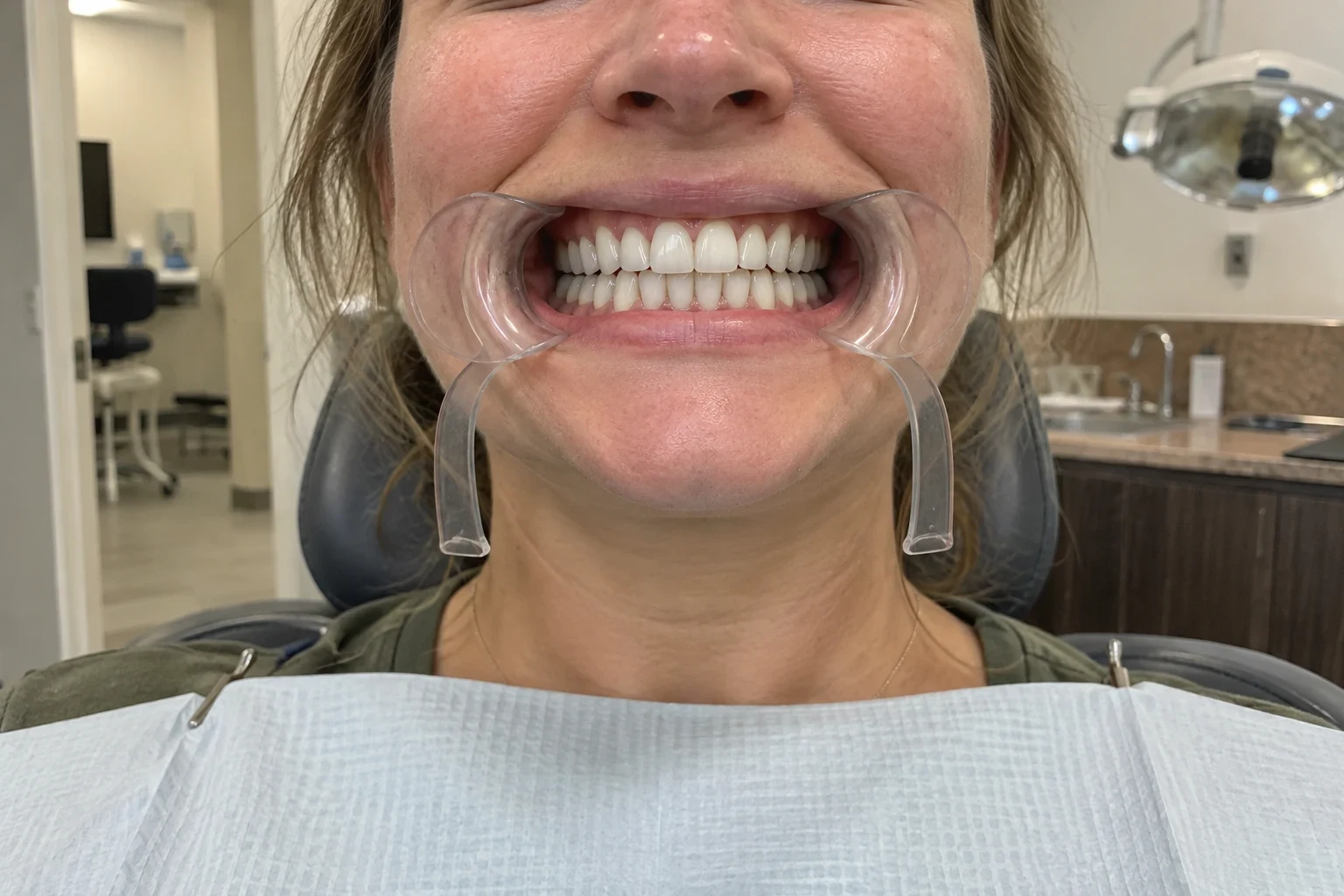
Our $25 focused evaluation includes a comprehensive exam, digital X-rays, a CBCT scan if your case calls for one, and a consultation to build your treatment plan. You see the same images we do, and we give you a plain answer on saving the tooth.